

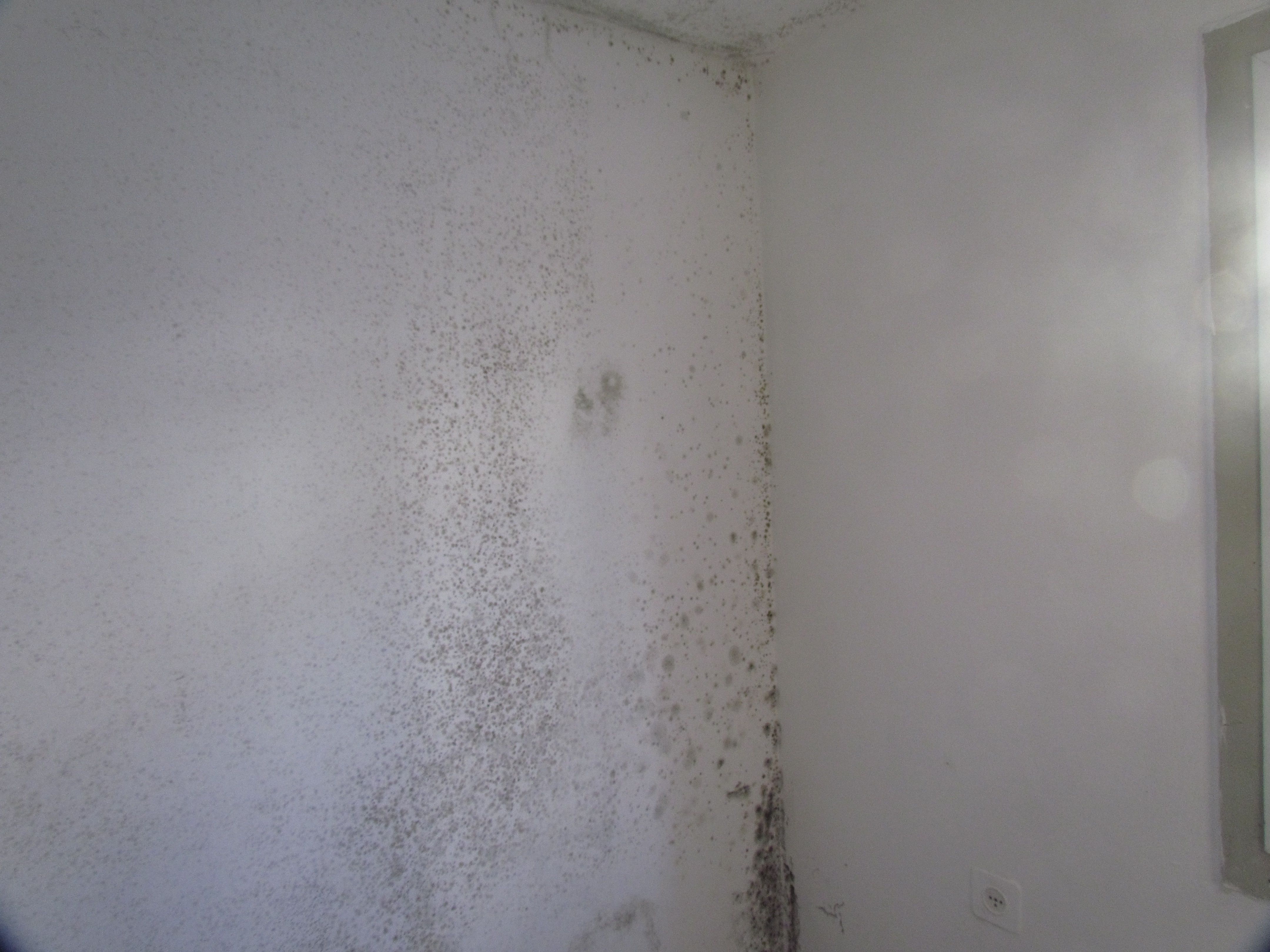
Few subjects in home health generate more anxiety, and more misinformation, than “black mould.” Search the internet for Stachybotrys chartarum and you’ll find claims ranging from “mildly irritating” to “deadly neurotoxin that destroys families.” The reality, as understood by current science, sits somewhere far more nuanced, and the nuance matters for how you should respond if it’s found in your Northern Rivers home.
Quick answer (BLUF)
Stachybotrys chartarum is a toxigenic mould species that can produce harmful mycotoxins under certain conditions. It is associated with serious water damage and is less common than the moulds most people call “black mould.” When confirmed in a home, it warrants professional remediation. However, the most extreme health claims attributed to Stachybotrys in popular media significantly exceed what peer-reviewed science supports. Take it seriously, don’t panic, and get professionals involved.
What is Stachybotrys chartarum?
Stachybotrys chartarum is a greenish-black mould species that grows on materials with high cellulose content, particularly paper-faced plasterboard (drywall), ceiling tiles, particleboard, and materials containing paper or wood pulp, that have been extensively water-damaged and wet for prolonged periods. It is characterised by its dark, greenish-black colouration and its relatively slimy texture when wet (compared to fuzzy surface moulds like Cladosporium or Aspergillus).
Critically: not all dark or black-coloured mould is Stachybotrys. Cladosporium (very common), Aspergillus niger, and Ulocladium species all produce dark-pigmented growth and can appear black to the naked eye. Identifying Stachybotrys specifically requires laboratory analysis, a surface swab or tape lift sample sent to an accredited laboratory.
What the science actually says about health risks
Stachybotrys produces trichothecene mycotoxins (particularly satratoxins and roridin) under specific conditions of active growth and high water activity. These are genuinely toxic compounds, they are potent immunosuppressants and have caused severe illness in agricultural settings involving bulk grain contamination.
The controversy is around whether typical residential exposure to Stachybotrys in a water-damaged home produces the range of severe health effects sometimes claimed, including “toxic mould syndrome,” severe neurological effects, and the various devastating outcomes portrayed in popular accounts. The scientific consensus from major health authorities, the WHO, the US CDC, the Australian Department of Health, is as follows:
What is established: Stachybotrys exposure in water-damaged buildings is associated with respiratory symptoms, including cough, wheeze, and upper respiratory irritation. Children, people with asthma, and immunocompromised individuals are more susceptible. The mould should be remediated promptly when found.
What is uncertain or unsupported: The most extreme claims, that residential Stachybotrys exposure causes permanent neurological damage, severe cognitive impairment, or widespread systemic toxicosis in otherwise healthy adults, are not well-supported by peer-reviewed evidence. Many accounts in popular media and social media significantly exceed what the scientific literature supports.
The practical implication: Stachybotrys found in a home is serious enough to warrant professional assessment and remediation. It is not so universally catastrophic that its presence automatically means permanent health damage to everyone who has been in the building.
Why Northern Rivers properties are at risk
Stachybotrys requires prolonged, sustained moisture, material that has been wet for weeks, not days. In the Northern Rivers, several scenarios create these conditions:
Post-flood buildings: The 2022 Northern Rivers floods created ideal conditions for Stachybotrys in properties where water-saturated plasterboard and ceiling tiles were not removed and dried within the critical 48-72 hour window. Properties with significant flood contamination that were not professionally remediated are among the most likely to harbour Stachybotrys in the region.
Chronic roof leaks: A slow roof leak that saturates ceiling plasterboard continuously over months creates the prolonged high-moisture conditions Stachybotrys needs. This is distinct from a single rain event that dries out quickly.
Subfloor and substructure saturation: In Northern Rivers elevated homes with persistent subfloor moisture, paper-faced building materials in contact with framing can maintain the moisture levels Stachybotrys needs.
How to confirm Stachybotrys vs other black mould
Do not rely on visual inspection alone. The visual similarity between Stachybotrys and other dark mould species means that definitive identification requires laboratory testing. A surface swab or tape lift from the growth location, submitted to an accredited laboratory by a professional mould inspection service, will provide species identification within a few business days.
This matters for several reasons:
- It determines the level of urgency and the appropriate remediation approach
- It provides documentation for insurance claims
- It determines whether enhanced PPE protocols are required for remediation workers
What to do if Stachybotrys is confirmed
- Limit exposure, reduce time spent in the affected area, particularly for children and sensitive individuals
- Engage professional remediators experienced with toxigenic mould remediation, this is not a DIY job
- Ensure proper containment and PPE during remediation, workers should use full respiratory protection and full-body protective clothing
- Remove all affected materials, because Stachybotrys grows deep into cellulose materials, surface treatment alone is not appropriate; affected plasterboard, ceiling tiles, and insulation must be physically removed
- Post-remediation testing to confirm air quality before re-occupation
Professional mould remediation of Stachybotrys-affected materials follows the same evidence-based process as remediation of other significant mould contamination, but with higher PPE standards and specific protocols for handling and disposing of contaminated materials.
FAQs
Is all black-coloured mould Stachybotrys?
No. Most black-coloured mould in homes is Cladosporium, which is extremely common in Northern Rivers and Australia generally. Cladosporium is an allergen but does not produce the toxins associated with Stachybotrys. The only way to confirm species is laboratory testing from a sample.
How dangerous is Stachybotrys really?
More dangerous than an equivalent amount of common mould species, but not the guaranteed catastrophe sometimes described in popular media. The genuine health concerns are respiratory, particularly for people with asthma, allergies, or immune compromise. For otherwise healthy adults, short-term incidental exposure is unlikely to cause permanent health effects. Prolonged exposure in a heavily contaminated building, particularly for vulnerable individuals, is a more serious matter. Treat it as a genuine problem requiring professional remediation, not as a death sentence.
My home was flooded in 2022. Could I have Stachybotrys?
If your home was significantly flood-affected and the water-damaged plasterboard, ceiling materials, or insulation were not professionally removed and the structure dried out within the first few days, there is a realistic possibility of Stachybotrys in your building structure. If you have persistent health symptoms or have not had a post-flood professional assessment, mould inspection and testing is warranted.
Does insurance cover Stachybotrys remediation?
Insurance coverage for mould remediation, including Stachybotrys, depends on your policy and the cause. Mould resulting from a sudden insured event (flood covered under policy, burst pipe) is more likely to be covered. Mould resulting from gradual moisture accumulation or maintenance failures is typically excluded. Document everything and engage your insurer early in the process.